
History is often remembered through dates, names, battles, political decisions, and major turning points. But behind every major historical event are people who experienced its consequences from the inside — people who woke up to a changing world, struggled to survive, witnessed uncertainty, and carried the memory of what happened long after the event itself was over.
Secrets of History is a historical documentary storytelling series built around that human perspective. Rather than presenting history only as a sequence of facts, the series transforms real historical events into cinematic narratives that allow audiences to experience the atmosphere, tension, uncertainty, and human consequences surrounding them.
From wars and sieges to disasters, political crises, revolutions, assassinations, historical crimes, and other defining moments, each story begins with historical research and develops into a dramatic reconstruction designed to bring the audience closer to the people inside the event. The result is a distinctive approach to historical storytelling — one that combines research, narrative writing, performance, sound, visual development, and post-production into a single cinematic experience.
Project Snapshot
History From the Inside
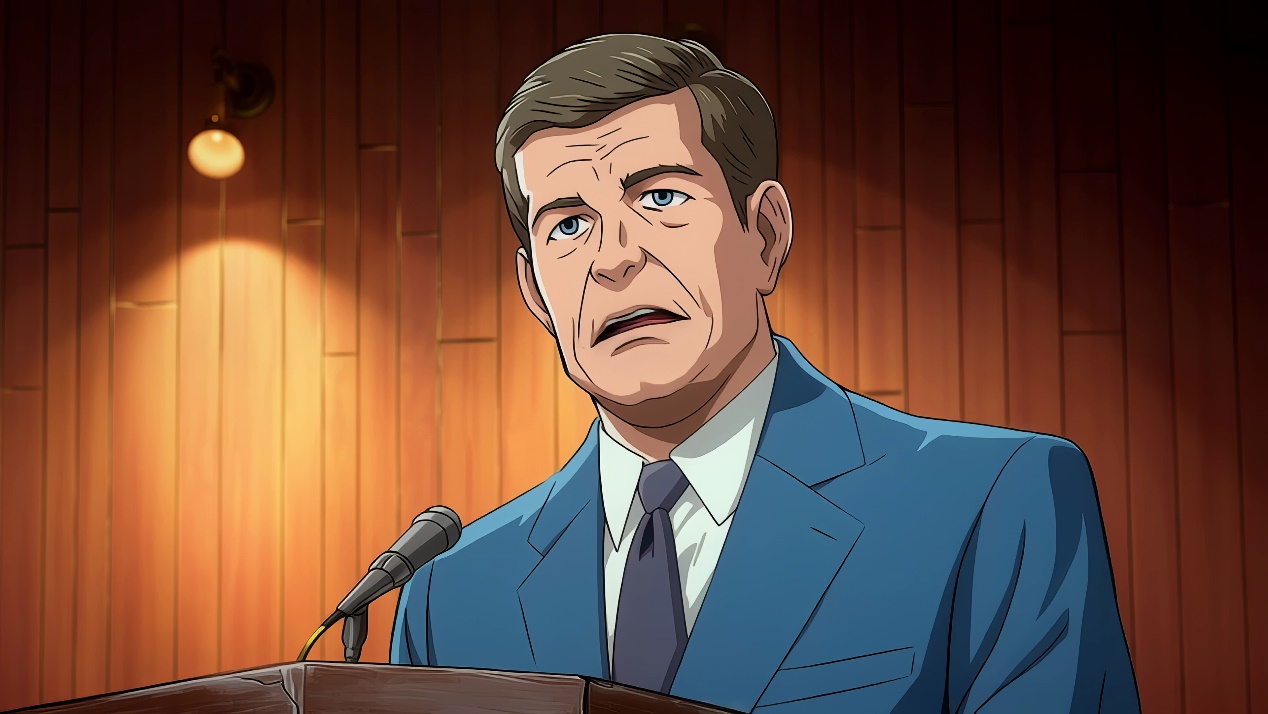
One of the defining ideas behind Secrets of History is simple: history feels different when it is experienced from within. Instead of beginning with a distant explanation of what happened, the series frequently places the audience alongside a dramatized character positioned inside the historical event.
The perspective may belong to a worker, farmer, soldier, technician, civilian, or another ordinary person whose life is suddenly transformed by forces much larger than themselves.
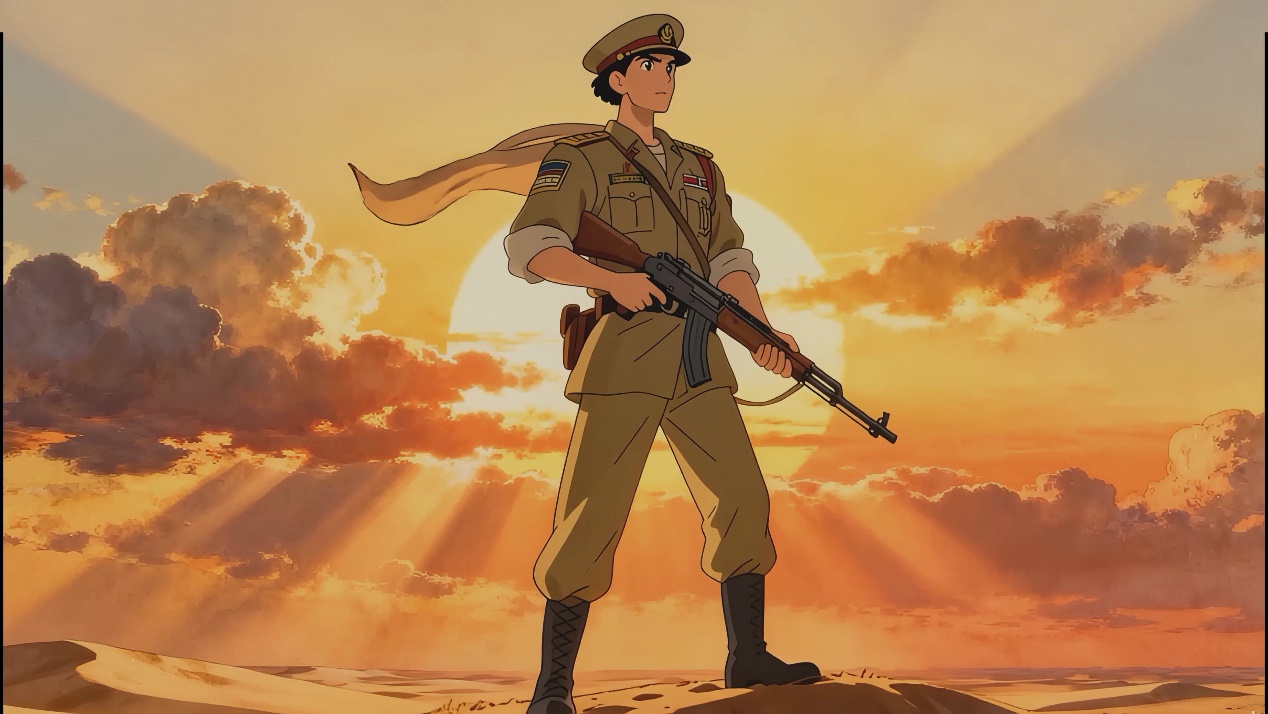
This narrative approach can be seen across the project's scripts:
- Siege of Leningrad: The audience follows Ivan, a bakery worker whose daily responsibility of weighing bread gradually becomes a struggle for survival as hunger reshapes everyday life.
- Chernobyl Disaster: The audience enters the control room through the perspective of a reactor technician as a routine test moves toward disaster.
- Vietnam War: The conflict is introduced through the perspective of an ordinary farmer, allowing the historical transformation of the country to be experienced through everyday life rather than political explanation alone.
From Historical Research to Cinematic Storytelling
Every episode begins long before the camera, the voice, or the music. The creative process starts with research into the historical event and the collection and organization of the information needed to build the story.
From there, the research is transformed into a narrative structure. The goal is to identify the moments that define the event, understand how they affected the people involved, and determine how the story can unfold naturally through a human perspective. This creates a balance between historical accuracy and cinematic storytelling.
Turning Major Events Into Human Experiences
Historical events can be enormous in scale. A siege may involve an entire city. A war may span years and reshape countries. A nuclear disaster can affect communities far beyond the original site. But people do not experience history as statistics — they experience it through the things immediately around them:
- A rationed piece of bread
- A silent street in winter
- A warning that never arrives
- A sudden explosion in the dead of night
- A family leaving home with what they can carry
- A landscape that no longer feels familiar
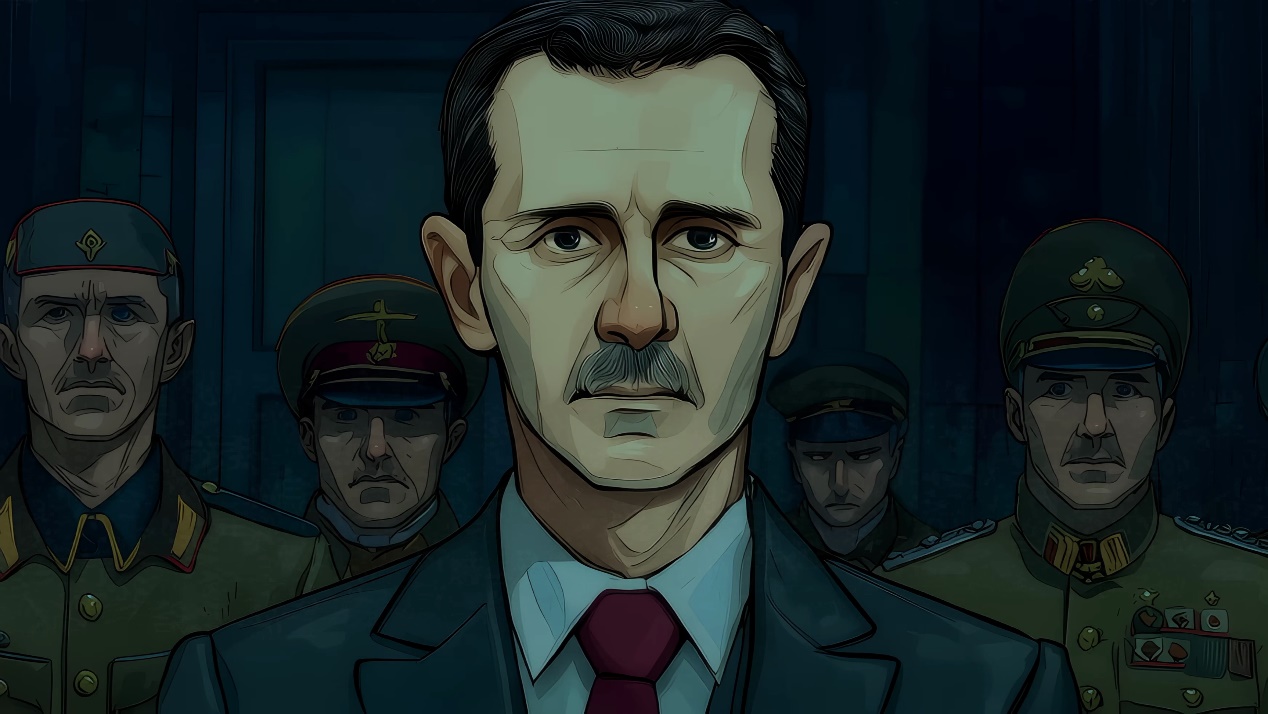
In the Leningrad narrative, the changing weight of bread becomes a visual and emotional measure of the siege. In Chernobyl, the contrast between an ordinary morning in Pripyat and the invisible danger moving through the air creates another human entry point. This attention to everyday experience is central to the project's creative language.
Every Event Has Its Own Visual Language
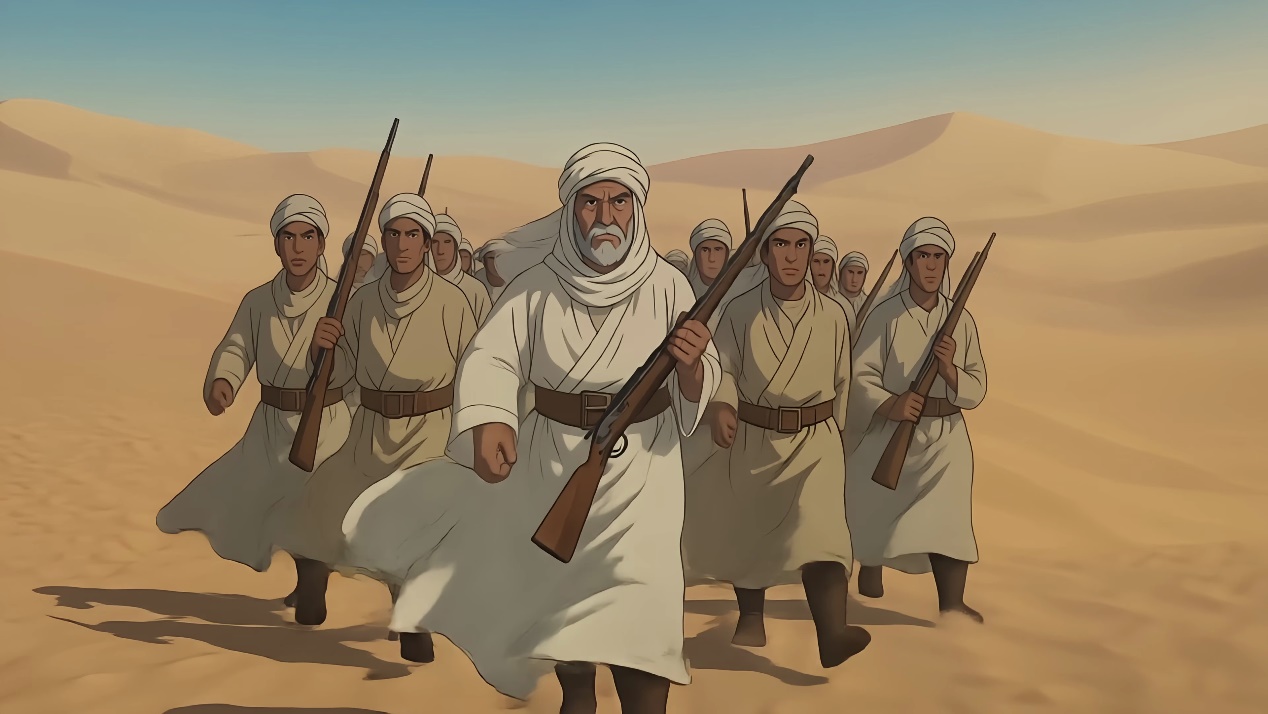
No two historical events should look or feel exactly the same. A war demands a visual language of movement, uncertainty, scale, and destruction. A siege can be defined by confinement, repetition, winter, scarcity, and silence. A technological disaster depends on controlled environments, machinery, darkness, and emergency response.
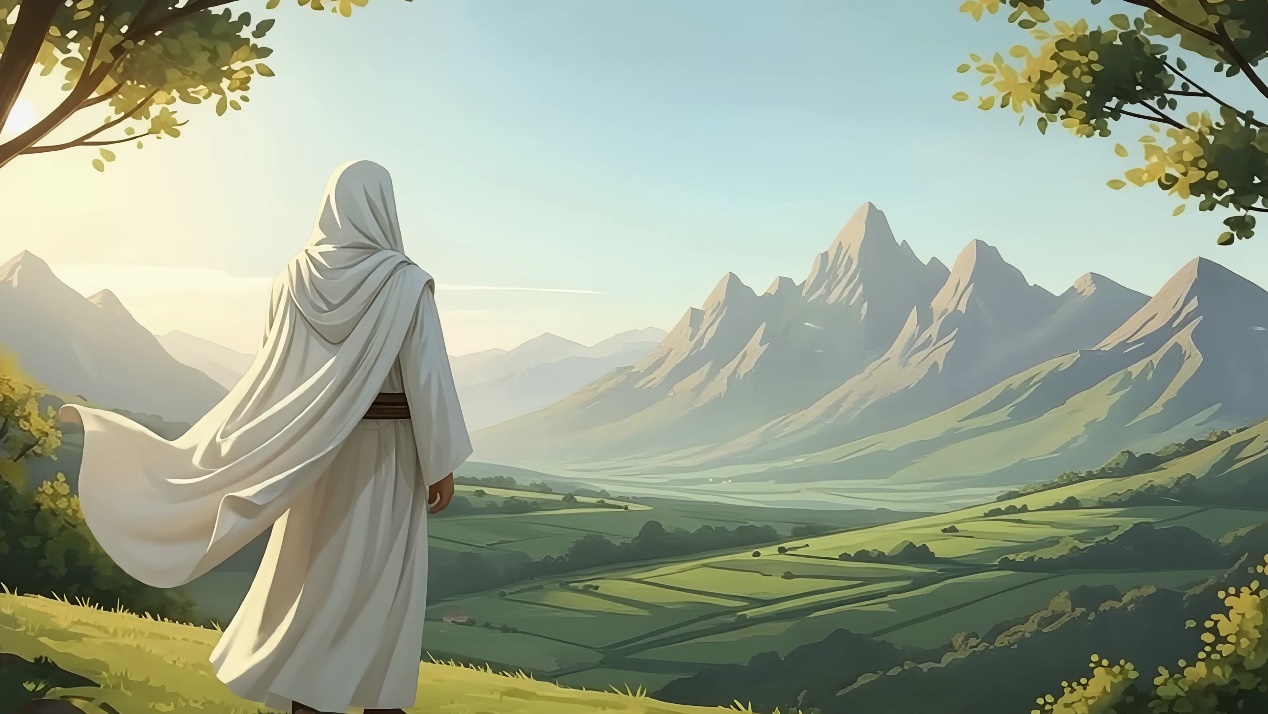
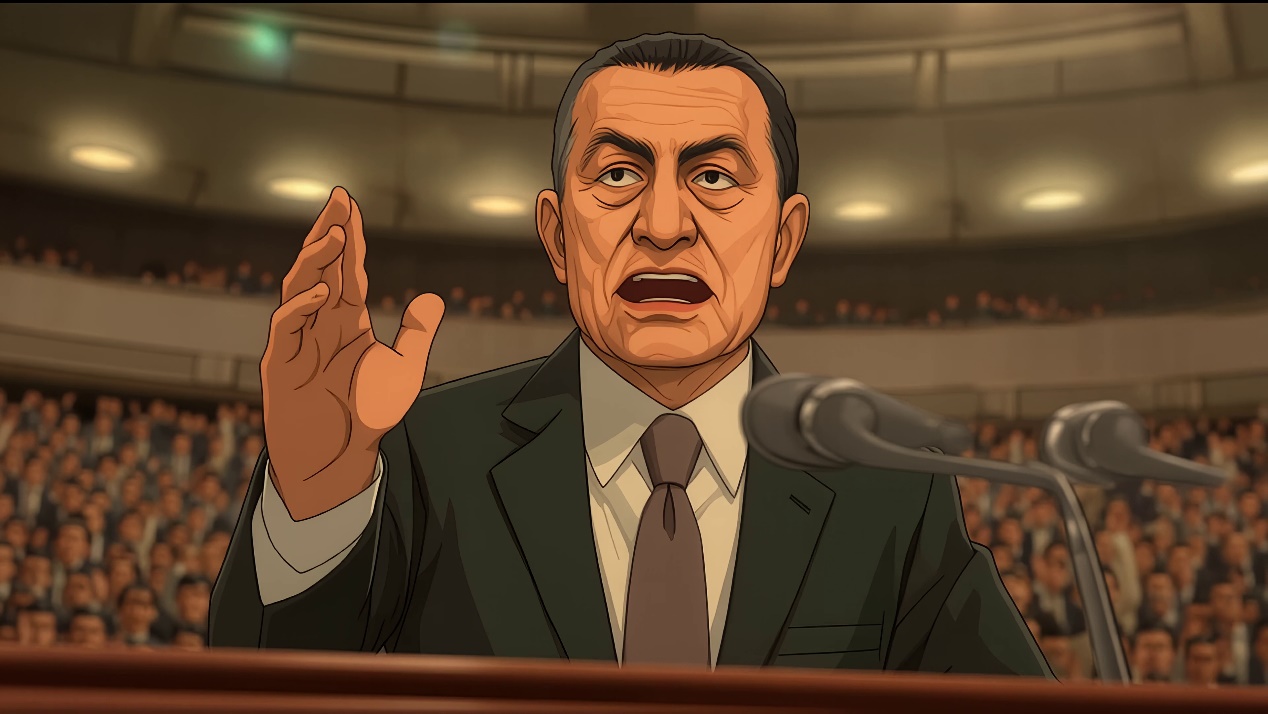
For Secrets of History, visual development is shaped around the specific identity of each story. The visual production is AI-assisted, but AI is treated as a production tool within a larger creative process. Art direction, visual development, scene design, composition, continuity, and post-production remain part of the overall human production approach.
Sound Designed for the World of the Story
History is not experienced visually alone — sound can transform a scene completely. For that reason, music and sound effects are an essential part of the identity of Secrets of History.
Voice-over is recorded entirely in the company's own studios, where voice actors perform the dramatized perspectives under directed performances designed to fit character and emotional progression. The sound environment is then developed around the event itself: music changes according to period and location, while custom sound effects build the physical world around the characters.
An Entirely In-House Production Workflow
A key strength of Secrets of History is that the production is handled completely In-House. Research development, scripting, voice recording, sound design, music, visual development, art direction, scene creation, and post-production are integrated within the company's own workflow.
This approach creates greater consistency across the project. The voice performance can respond to the visual direction. Sound can be shaped around the final scene. Visual decisions can be refined according to the rhythm of the narration. Instead of treating production as disconnected tasks, the project approaches it as one continuous creative process.
What Remains After the Event
A defining element of the series is the idea that historical events do not necessarily end when the headlines disappear. The consequences remain in places, memories, families, landscapes, and generations.
The Leningrad script reflects this by ending not simply with the lifting of the siege, but with the lasting psychological memory carried by survivors. The Vietnam story moves beyond the end of fighting to focus on how war continues to exist inside those who experienced it. And the Chernobyl narrative shifts attention toward response, sacrifice, and long-term aftermath.
Conclusion: The Human Story Behind History
At its core, Secrets of History is built around a simple creative principle: History is made of events, but it is remembered through people. Every war has civilians. Every crisis has families. Every disaster has people who must respond.
Secrets of History brings together research and imagination, historical reality and dramatic reconstruction, sound and image, technology and human direction — inviting audiences to discover the stories that remain after the history books close.